
Last Updated: October 28, 2026
Quick Summary
Contractors update homeowners weekly as the baseline, with a written update covering work completed, work planned, open issues, budget status, and schedule status. Daily or every-other-day updates make sense during demolition and rough-in, while design and permitting can run every 1-2 weeks.
- A good weekly update covers what got finished, what is scheduled, open issues, and budget status.
- During demolition and rough-in, expect daily or every-other-day updates on site conditions and schedule shifts.
- Design and permitting updates typically come every 1-2 weeks and focus on permits, drawings, and selections.
- Every status report should cover five items, including budget transparency and any change orders.
- If a contractor goes silent, send a written message on day 1-2 asking for a reply by a set date.
Table of Contents
- How Often Contractors Update Homeowners: A Realistic Schedule
- Building a Contractor Update Schedule Around Project Phases
- What Belongs in Renovation Progress Updates
- Why a Written Contractor Communication Plan Prevents Most Disputes
- What to Do When a Contractor Is Not Responding
- Meetings, Inspections, and the Communication Hierarchy
- Setting Communication Expectations Before Your Remodel Begins
- Frequently Asked Questions
How Often Contractors Update Homeowners: A Realistic Schedule
A clear contractor update schedule can help homeowners know what is happening inside their own home.
How often contractors update homeowners depends on the phase of work, the size of the project, and what the contract says.
Below, we break down a realistic update schedule, what each report should contain, and what to do when the updates stop.
Weekly Is the Baseline, Not the Ceiling
A written update can help keep the project timeline visible and provide a paper trail.
A good weekly update covers four things:
- What got finished last week
- What is scheduled for next week
- Any open issues or delays
- The current budget status
The format matters less than the consistency. You want the same day, same channel, every week.
When Daily Updates Make Sense
Daily contact may be appropriate for some project phases, but the right frequency depends on the project.
Building a Contractor Update Schedule Around Project Phases
A contractor communication plan can set expectations for updates as the job moves forward.
| Phase | Update Frequency | Main Focus |
|---|---|---|
| Design and permitting | Every 1-2 weeks | Building permits, drawings, selections |
| Demolition and rough-in | Daily or every other day | Site conditions, surprises, schedule shifts |
| Installation and finishes | Weekly | Milestone tracking, material arrivals |
| Final inspections and punch list | Weekly plus on-call | Inspection schedule, rework, sign-off |
What Belongs in Renovation Progress Updates
Renovation progress updates can be short, factual, and repeatable.
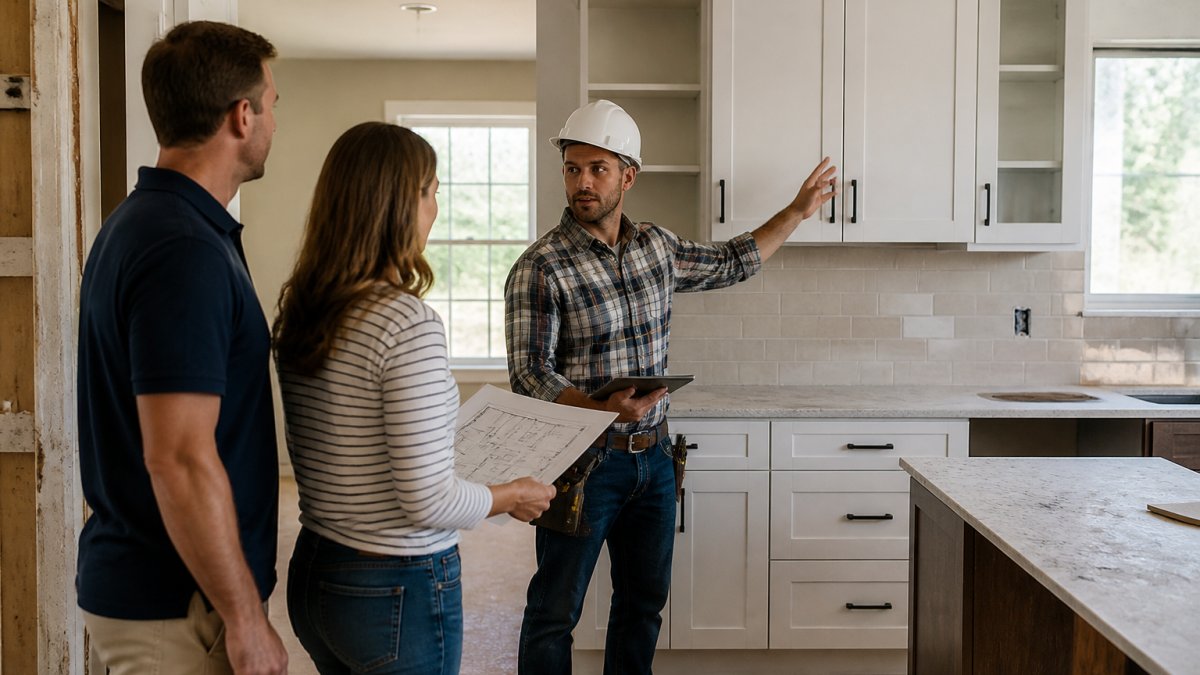
The Five Items Every Status Report Should Cover
A useful update can cover:
- Work completed since the last report
- Work planned for the coming period
- Open issues and how they will be resolved
- Budget transparency, including any change orders
- Schedule status, on track or slipping, with dates
Why a Written Contractor Communication Plan Prevents Most Disputes
A written communication plan can set expectations before work begins.
The plan should spell out:
- Who your main contact is
- How often you get updates
- Which channel is used
- How fast you get a response
- How change orders get approved
For a deeper look at keeping a project on schedule, our guide on how to avoid renovation delays walks through the full process.
Communication Templates You Can Ask For
You can request templates before work starts. Ask what documentation the contractor can provide.
Digital Tools for Tracking Progress
Ask your contractor how they will share project updates and whether you will have access to them.
What to Do When a Contractor Is Not Responding
If a contractor stops responding, review your communication plan and contract for next steps.
You can start with a written message, ask for a reply by a set date, and keep a copy.
If the silence continues, review your contract and contact the appropriate professional for guidance on next steps. You can also check the FAQs for answers about communication and escalation.
Red Flags That Signal a Bigger Problem
Watch out: paying a large sum before a milestone is finished can leave you with little leverage if the work stalls. A common pattern is a request for a “materials deposit” that is far above the cost of materials actually on site.
Escalation Timeline That Works
A simple timeline keeps you from overreacting or underreacting:
- Day 1-2: Send a written message asking for a status update and a reply by a specific date.
- Day 3-5: If no reply, call and leave a voicemail; follow up with an email summarizing the call.
- Day 7: Request an on-site meeting to review progress and next steps.
- Day 10-14: If still no response, review your contract for remedies and consider a formal written notice.
This timeline is not about being aggressive; it’s about creating a record. Most contractors respond once they see you are organized and documenting everything.
Meetings, Inspections, and the Communication Hierarchy
Not every message needs a meeting, and not every question needs an email. Discuss with your contractor which communication channels and update schedule will work for the project.
Who to Contact for What
Before work starts, ask your contractor who your point of contact will be and how to raise questions.
Inspections and Code Compliance
You can ask how inspections will be addressed in the project timeline.
Ask your contractor who will handle inspections and how you will be notified of dates, results, and any follow-up.
You can ask how inspection dates and reports will be shared.
Meetings That Earn Their Time
Discuss with your contractor which project matters will require an in-person meeting and how routine updates will be shared.
Setting Communication Expectations Before Your Remodel Begins
You can ask about update frequency before work starts.
Before you sign, ask who your contact is and how project updates will be shared.
To vet your contractor properly, read our guide on how to hire a licensed general contractor. It covers the questions that separate organized builders from the rest.
It also helps to bring a list of questions to ask kitchen remodel contractors to your first meeting. Communication should be one of them.
When you are ready to move forward, you can discuss your project with AP Construction.
At AP Construction, led by Phil and Adam, we bring over 20 years of construction industry experience and are licensed and insured. Get started with AP Construction.
Frequently Asked Questions
How often should a contractor update a homeowner during a renovation?
Discuss update frequency with your contractor before work starts.
What should a contractor include in a progress update?
Ask your contractor what information will be included in progress updates.
What should I do when a contractor is not responding?
Review your contract and communication plan for guidance on next steps if your contractor is not responding.
Should contractors provide daily updates during a home project?
Ask your contractor what update frequency to expect during different project phases.

